
As the world faces growing environmental challenges, the role of architecture is undergoing a profound transformation. Today, designing buildings is not just about aesthetics or functionality—it is about responsibility.
Sustainability is no longer a niche concept in architecture—it has become a fundamental requirement. With increasing awareness about climate change, resource depletion, and energy consumption, both designers and clients are prioritizing environmentally responsible solutions.
Modern architecture is moving towards designs that minimize waste, reduce carbon footprints, and promote long-term efficiency. This shift is not only beneficial for the environment but also enhances the quality of living by creating healthier and more efficient spaces.
Energy-Efficient Design as a Standard
One of the most significant trends shaping the future of architecture is the focus on energy efficiency. Buildings today are being designed to consume less energy while maintaining optimal comfort.
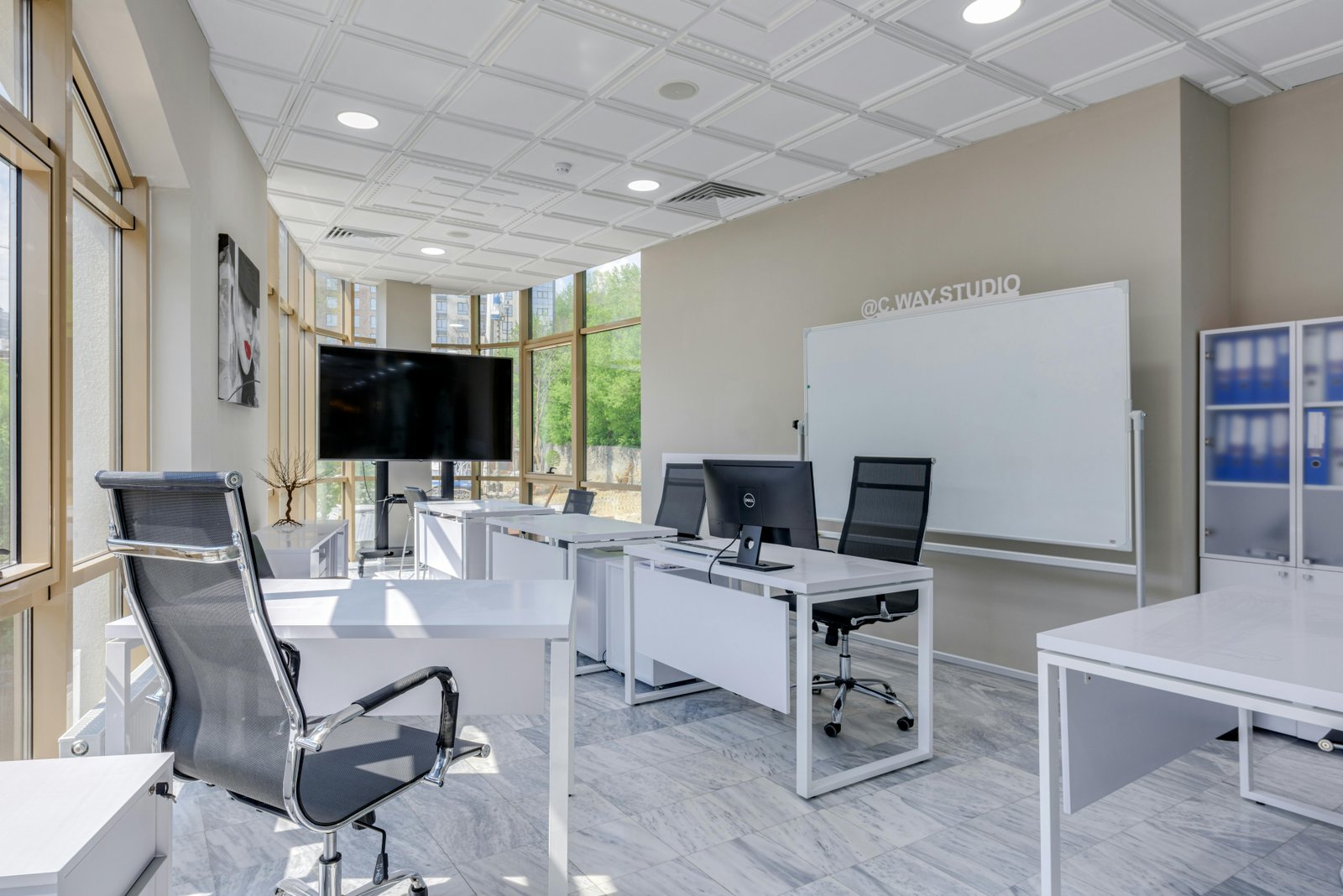
Architects are incorporating smart orientation, insulation techniques, and advanced glazing systems to reduce dependency on artificial heating and cooling. Natural light is maximized to reduce electricity usage, while smart systems help monitor and optimize energy consumption. These strategies not only lower utility costs but also contribute to a more sustainable lifestyle.
Sustainable Materials and Construction Practices
The choice of materials has a significant impact on the sustainability of a building. Architects are now opting for eco-friendly, recycled, and locally sourced materials that reduce environmental impact.
Materials such as reclaimed wood, bamboo, recycled metal, and low-impact concrete alternatives are gaining popularity. Additionally, construction practices are evolving to minimize waste and improve efficiency. Prefabrication and modular construction techniques are also being adopted to reduce time, cost, and environmental impact.
Key Sustainable Trends to Watch
- Green roofs and rainwater harvesting systems
- Use of renewable energy sources like solar panels
- Smart buildings with automated energy management systems
Conclusion
The future of architecture is undeniably sustainable. As the industry continues to evolve, the focus is shifting towards designs that are not only visually appealing but also environmentally responsible and efficient. Sustainable architecture is no longer an option—it is a necessity that defines modern design.
By embracing energy efficiency, natural integration, innovative materials, and advanced technologies, architects are shaping a future where design and sustainability go hand in hand. Firms like Vision Architects are leading this transformation, creating spaces that are built not just for today, but for generations to come.